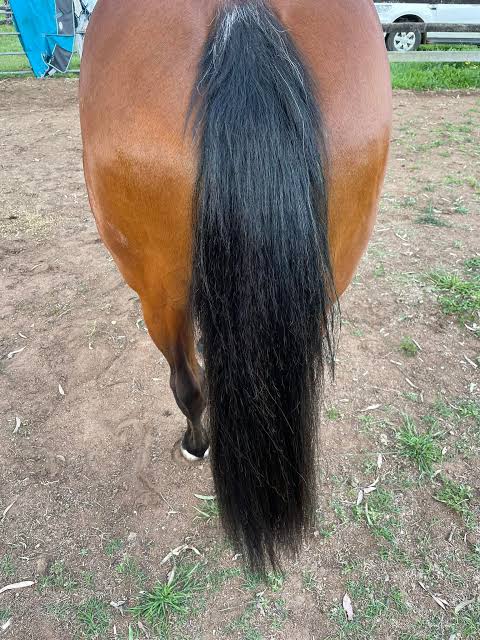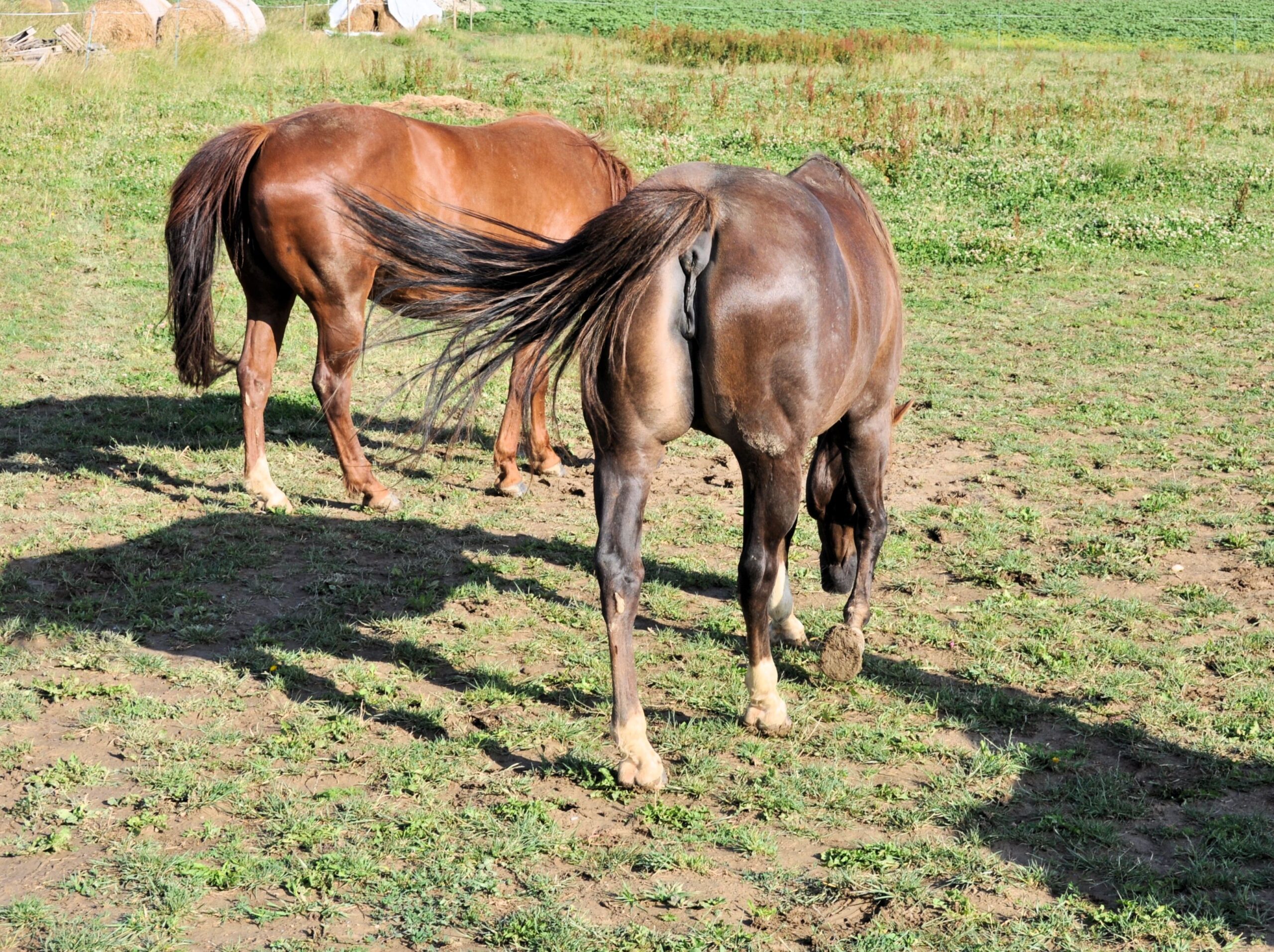
The mare plays a fundamental role in the equine industry. When people refer to a “well-built” or “strong-rumped” mare, they are usually describing a female horse with good croup conformation, well-developed musculature, and a solid overall body structure. These traits are highly valued both in competition and in breeding programs.
In this article, you will learn about the main physical qualities of a well-conformed mare, how to care for her properly, essential hygiene practices, and what to look for when selecting a quality animal.
Physical Characteristics of a Well-Conformed Mare
A mare considered well-built typically shows:
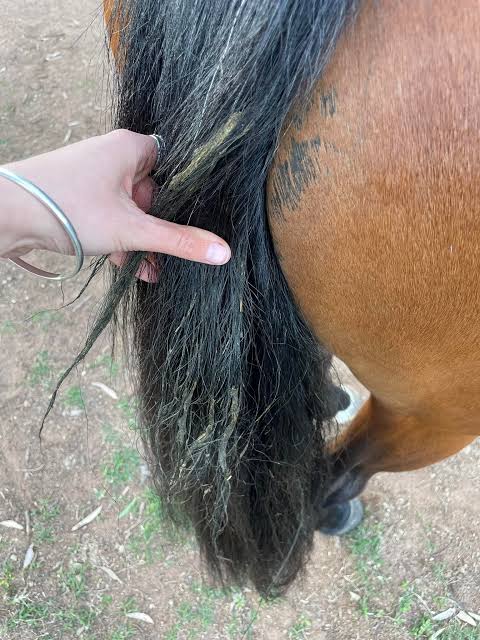
- Wide and muscular croup
- Good angulation of the hind limbs
- Strong and well-supported back
- Balanced overall body structure
- Healthy and well-maintained coat
These traits directly influence athletic performance, work capacity, and the animal’s general health.
Essential Care for the Mare
To keep a mare healthy and in good condition, it is important to focus on:
- Balanced nutrition – high-quality forage, appropriate concentrates, and supplementation when needed.
- Regular exercise – controlled work helps develop musculature without overloading the joints.
- Hygiene and management – daily cleaning, hoof care, and parasite control.
- Veterinary monitoring – regular exams, vaccination, and attention to possible health issues.
- Proper environment – clean pasture, adequate shelter, and enough space to move freely.
Hygiene and Care of the Mare’s Perineal Area (Veterinary Guidance)
Hygiene of the perineal region (the area around the vulva and anus) is part of basic health care for mares, especially those used in breeding, competition, or intensive management. The goal is to prevent infections, irritation, and reproductive problems.
Why hygiene matters:
- Reduces buildup of secretions, dirt, and feces in the area
- Lowers the risk of uterine infections and vaginitis
- Helps with early detection of health changes (abnormal discharge, swelling, or wounds)
- Is especially useful for mares kept in stalls or in humid, dusty pastures
How to perform cleaning safely and correctly:
- Prepare the materials
- Clean, lukewarm water
- Mild veterinary-approved antiseptic solution (never use human products without professional guidance)
- Cotton, gauze, or clean disposable cloths
- Disposable gloves
- Clean towel for drying
- Positioning and safety
- Perform the procedure in a calm and safe location
- Prefer that the mare is quietly restrained (halter + helper if needed)
- Never force the animal if she is agitated
- Cleaning procedure
- Start by cleaning the external area with clean water, removing feces and surface dirt
- Use the diluted antiseptic solution according to the manufacturer’s or veterinarian’s recommendation
- Clean gently from front to back (from the vulva toward the anus) to avoid carrying contamination inward
- Do not insert anything into the vagina or vulva without veterinary guidance
- Dry the area thoroughly with a clean, dry cloth to prevent residual moisture
- Important precautions
- Do not use harsh products (alcohol, regular soaps, or strong disinfectants)
- Avoid excessive cleaning, as it can remove the natural flora and cause irritation
- Check daily for abnormal discharge, strong odor, swelling, or wounds
- Contact a veterinarian if any changes appear
- Recommended frequency
- Under normal conditions: only when visible dirt is present or before reproductive exams
- In high-performance mares or during rainy periods: may be needed more often, always with good judgment
When to call the veterinarian:
- Discharge with strong odor or abnormal color
- Excessive swelling or persistent irritation
- Signs of pain or discomfort when urinating
- Any change in the reproductive cycle
Valued Qualities in High-Quality Mares
In addition to physical conformation, breeders and professionals look for:
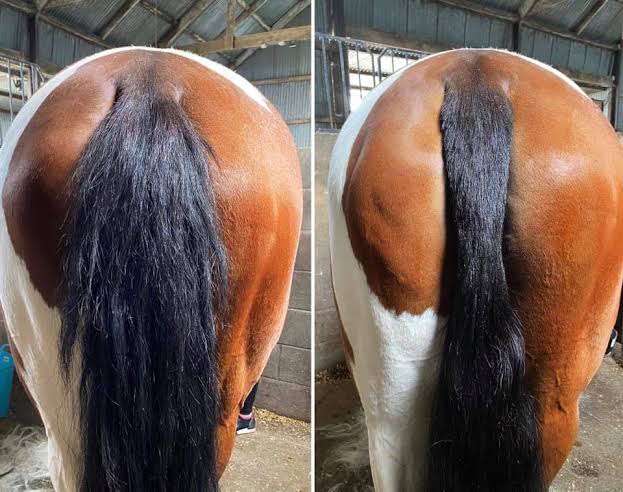
- Balanced temperament
- Fertility and reproductive history
- Endurance and willingness to work
- Bloodline and pedigree
A well-cared-for mare with good genetics tends to show better performance and greater longevity.
Conclusion
A mare with solid body structure, especially a well-developed croup, is the result of good genetics, correct management, and daily care. Paying attention to conformation, maintaining health and hygiene, and providing proper living conditions are the key points for anyone seeking a quality animal.